
Capability
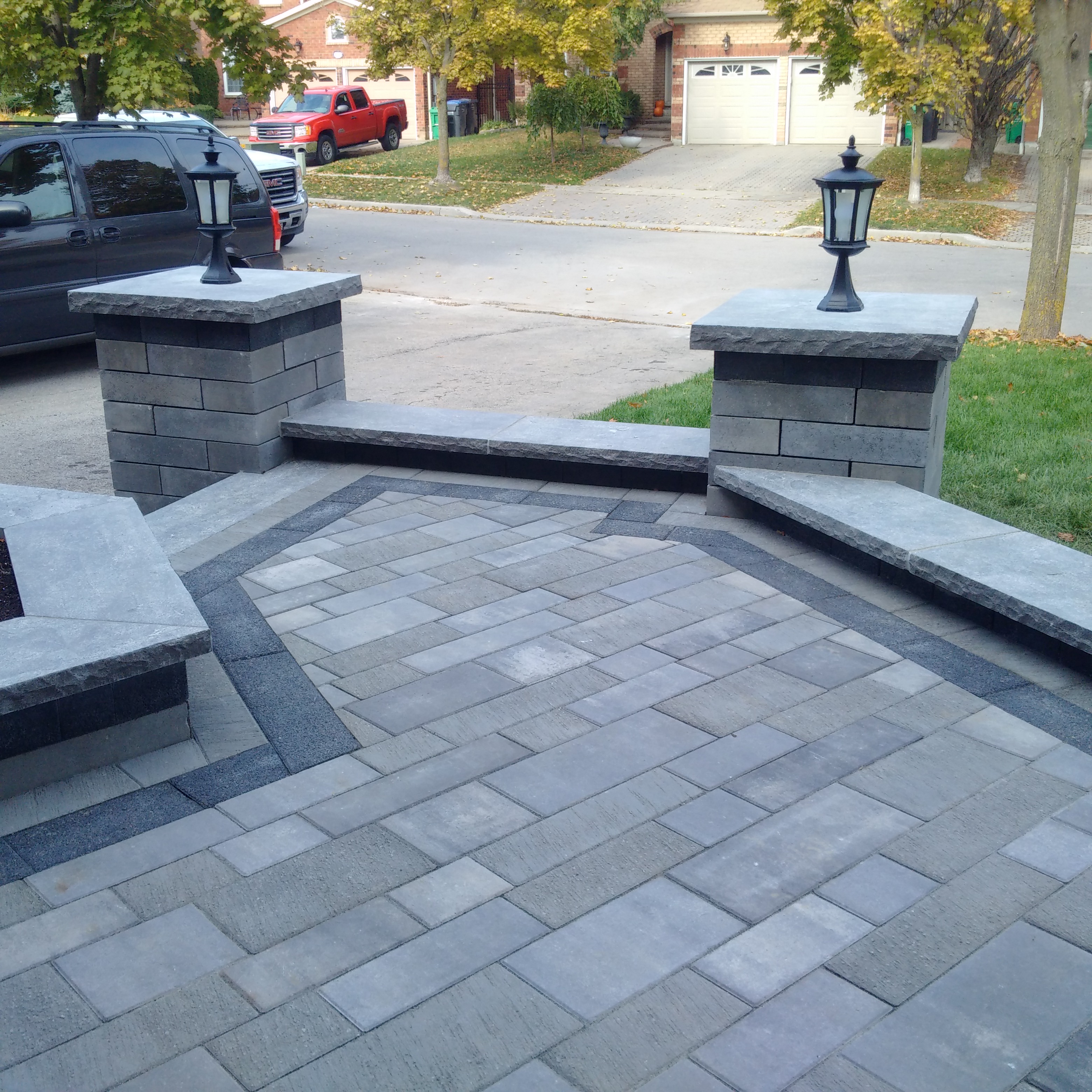
Work is delivered through clearly defined scopes: complete property projects, targeted upgrades and follow-on phases. We don’t price on surface appearance alone — issues with outdoor work are prevented below, through proper planning from the ground up. Not every project aligns with our approach. It’s best suited to those who expect certainty in how their work is carried out.
Range of Work
The same standard applied at different scales.
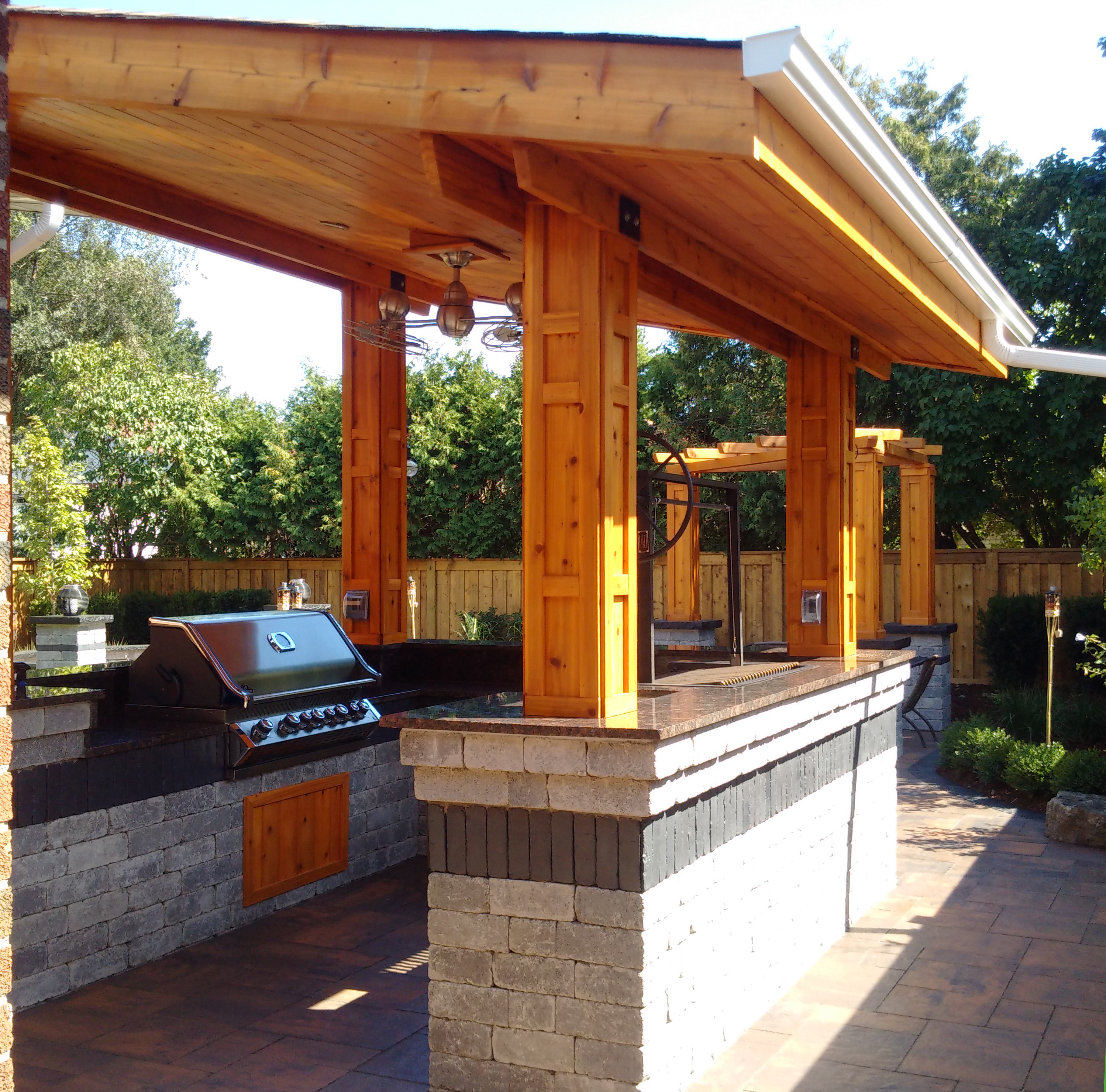
Complete Landscapes
Entire property transformations and larger multi-scope landscaping projects, coordinated into one cohesive, high-standard outcome.
- Multi-area planning and phase sequencing
- Combined groundworks, hardscapes, softscapes and site elements
- Design visualization where required
- Extends all aspects of Landscape Improvements in a structured plan
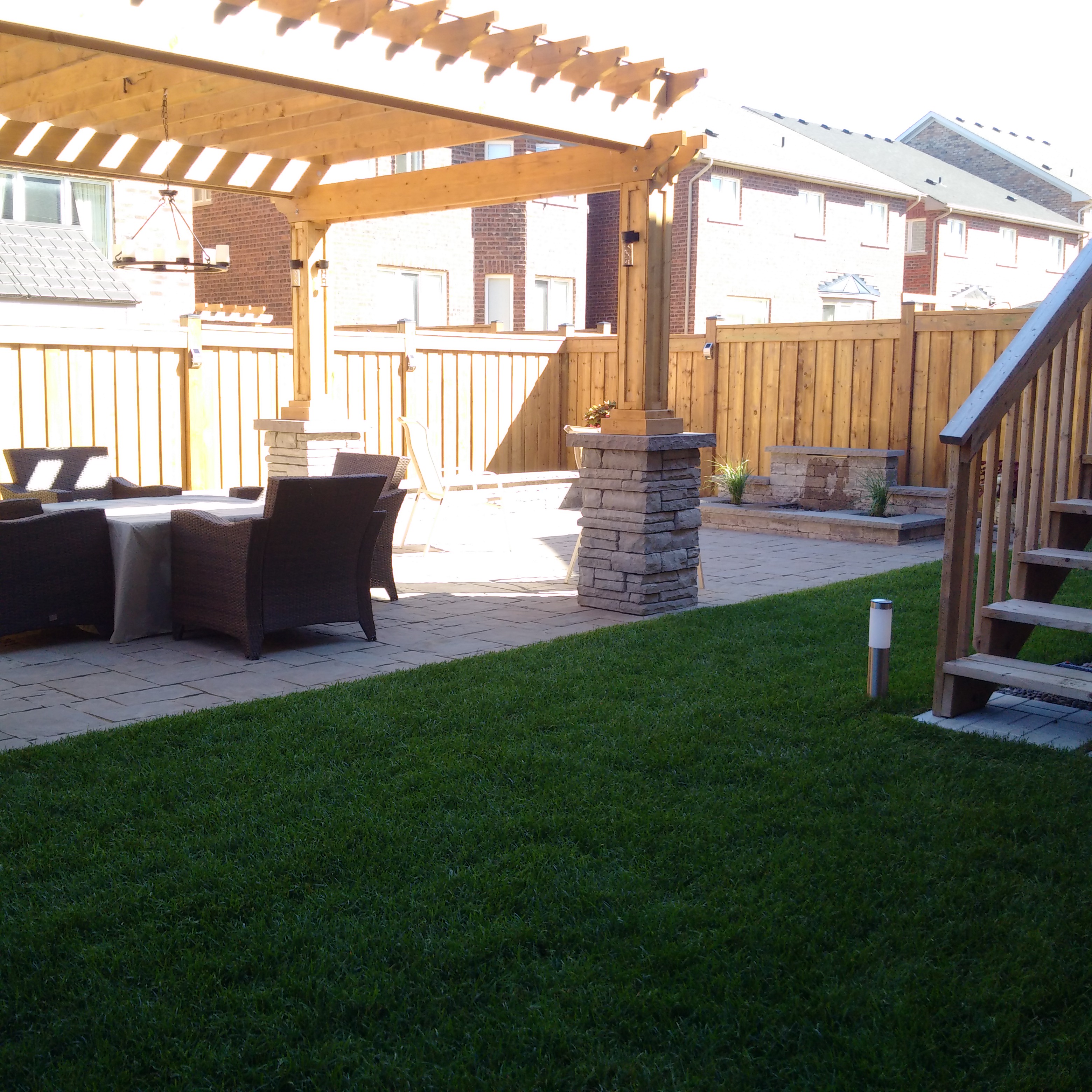
Landscape Improvements
Targeted upgrades for presentation and performance on your site, through softscapes, hardscapes and other integrated elements.
- Water control and stable ground conditions
- Surfaces and upright masonry work
- Woodwork and custom-crafted elements
- Gardens and finished landscape areas
Representative scope — tailored individually.
Core Services
Work is organized into categories within the overall scope.
- Grading and subgrade
- Site drainage
- Tie-ins at foundations, walls and sills
Handled before or with hardscape and softscape so drainage isn’t buried under new finishes.
- Paved surfaces
- Base, restraint and jointing
- Steps and walls with the flatwork
Specified for traffic, load, slope and freeze–thaw—not for layout drawings on their own.
- Outdoor cooking and fire
- Water features and pool masonry
- Shade, enclosure and exterior carpentry
Lined up with groundwork, drainage and service rough-ins so utilities land where the project needs them.
- Beds and soil prep
- Planting and mulch
- Seasonal color
Tied to drainage, sun and shade on the real site—not a planting list for looks alone.
From Scope to Sign-Off
Two stages — Define then Execute — with clear communication throughout.
Discuss
We align on the property, your priorities and fit. Scope is written only after that alignment is clear.
Assess
We review access, grade, drainage, condition and use on site. Scope follows what we see on the ground.
Plan
Scope, sequence, materials and coordination are set. Visuals are used only to clarify the next step.
Prepare
Protection, logistics, removals and base work come first. Materials are lined up for the work ahead.
Develop
Water management, structural work, then finishes—in that sequence. Work on site follows the plan we agreed to.
Complete
We review with you, close punch, cleanup and paperwork. The handoff is neat, complete and deliberate.
Every job is held to the ILR standard: clean, controlled sites; clear communication; work carried through properly from start to end.
FAQs
Frequently asked questions.
A phase usually bundles several improvements that share one stretch of schedule; a complete plan may use one phase or several. Many clients start with one focus and add later—we revisit the site down the line and update the plan so the new scope fits cleanly with what’s already there.
It helps to share the wider picture you’re aiming for, including pieces you may phase later, so we can map sensible steps across phases. If the first move must be smaller, we’ll advise order and queue the rest so later work still fits the direction you’ve set. Each improvement or phase runs the full sequence again: stage 1, steps I–III and stage 2, steps IV–VI.
Once work is underway, schedule and budget can possibly deviate from the opening plan when an uncovered site, necessary sound practice or weather gets in the way. We keep you updated the entire time. If something ever needs to shift, we talk it through with you before it becomes a surprise.
Material changes on our end are confirmed in writing before more work moves ahead—clear options and expectations, no hand‑wave surprises—just like your extras: only ever in writing, never off-hand requests.
Ready to discuss your project?
Share your priorities—or explore completed work first.